


“You know what you are, you know what you are, Sydney Sweeney, you know what you are…” A very astute businesswoman with a strong brand and a key understanding of her audience.

Now that some of the noise around Sydney Sweeney’s raunchy advertisement, where she posed naked with various sports equipment, has simmered down, I thought it might be good to look back with some calm. For those with a short memory or who actively ignore news stories revolving around the word ‘backlash’, Sydney Sweeney partnered with the nascent peer-to-peer sports betting app “NOVIG” and took part in their ad campaign. Her seductive, cheeky and to some people, positively gauche way of ‘selling herself’ for attention absolutely blew up the internet, and guess what?
It broke through, got everyone talking, and was a huge success for Novig.
“Between 20 days before and after the campaign launch, Novig’s trading volume soared by nearly 94% and first-time depositors surged by more than 218%,
Novig Co-founder Jacob Fortinsky talking to CNBC.
In the outrage that followed from athletes, feminists, and politicians alike, as a male, I felt that perhaps my two cents on this were less relevant, or at least somehow less informed than my female counterparts. Which, of course, may still be true. But when some of my female friends informed me, “It really wasn’t that deep”, and asked me what my take on it was, I felt invited into the conversation.
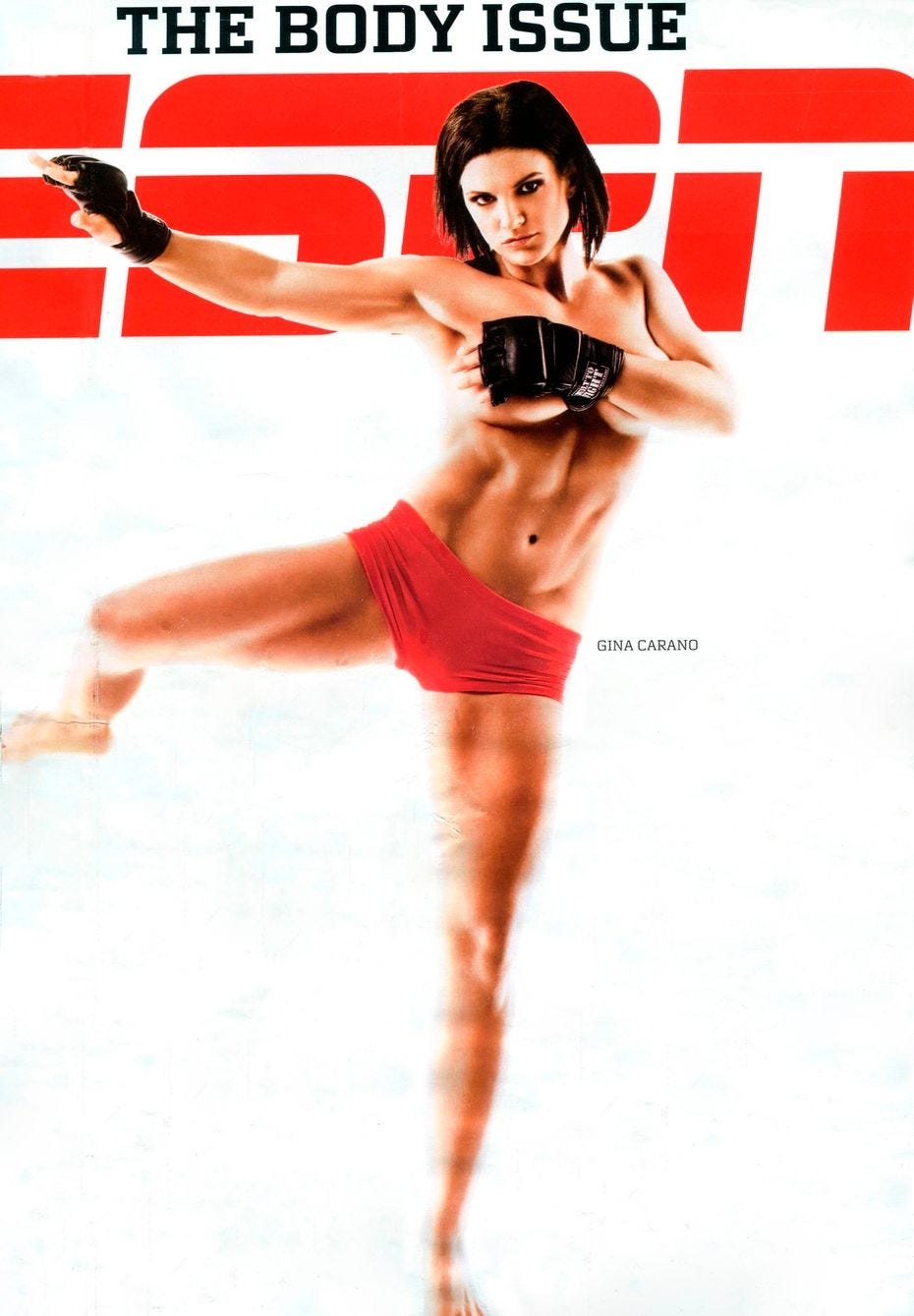
The outrage from the predominantly female section of society and the backlash from the sporting world made my own opinion jaded. I toiled with my understanding of feminism, about freedom of choice, and how she may have “put female sport back decades”. The problem is, I just wasn’t seeing it that way. Is the intended audience for an advert of a sports betting app— 72.1% male according to Sensor Tower’s Audience Insights data—really looking at Sydney Sweeney with a football across her naked chest and thinking about female sport? I would argue that when Playboy utilised fruit in novel ways back in the 70s and 80s, none of the young men browsing was thinking about their 5 a day.
I understand that men in sport have not been objectified in the same way, and that women’s sport has had to work twice as hard to be considered half as important, and it still has a long way to go. I am a huge advocate for female sport; I have a young daughter who plays sports, and I also play mixed sports, but Sydney Sweeney is an actor, a performer, and a social media icon. I don’t see how Sydney Sweeney posing with sports paraphernalia and promoting a glorified betting app puts her in a position to reverse women in sport?
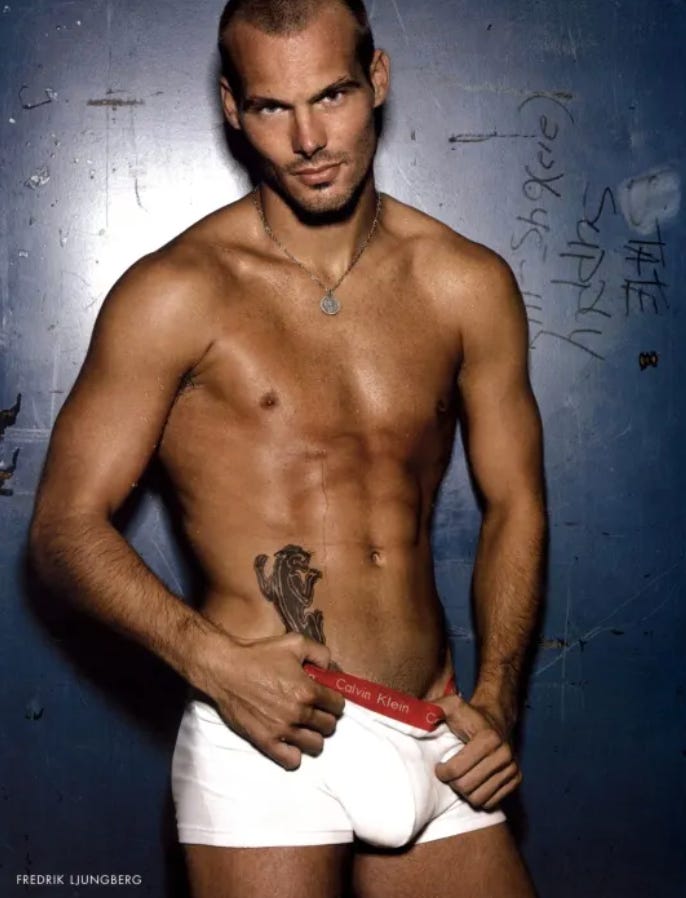
It was only a few weeks ago that we all giggled as the ladies swooned at the US Open, when Carlos Alcaraz—on track to become one of the greatest ever and not yet 25 years old—took off his sweat-soaked T-shirt to change. Oh, how the ladies laughed, the commentators chuckled, and the phone cameras went crazy as we all caught a glimpse of his torso. I can only imagine how it might have gone if Sabalenka had done the same. The ex-Arsenal legend Freddie Ljungberg was an early adopter of using his sexuality to cross over into the world of advertising. He famously posed for Calvin Klein underwear and, after a while, shared how he became frustrated that women would grope him in public.
There have been numerous female sports stars, from figure skating, volleyball and athletics, that have bolstered their careers—and their finances—by appearing in raunchy photo shoots. Could it be that we are all just a little bit jealous of Sydney Sweeney? Hey, I get it, I spend days, sometimes weeks, writing and putting together articles that don’t get any likes; then Sydney puts out a picture of her toenail backlit and gets one million views.
But she has made a rod for her own back—we saw what happened when she stepped away from her strong branding and went down the route of a ‘serious role’ in the boxing movie “Christy”. It did peanuts at the box office—with an opening weekend of just $1.3 million—it didn’t get anywhere near the Oscars, Baftas or Golden Globes, and no doubt didn’t make her any more fans. “Christy” is an admirable story about a real pioneering sportswoman, Christy Martin, in the world of female boxing. Suffering abuse and hardship, only to rise up and dominate her chosen field and put female boxing on the map.
Who wanted to see Sydney take off her make-up, put on weight and put on gloves to get punched in the face? Turns out, not many people.
Where Novig was an absolute master class in casting, it seems “Christy” was not.
With all the outrage around the use of sexualising sport for advertisement and commercial gain. It led me to ask the question—since when have sport and sex not gone hand in hand? The ancient discipline of wrestling was often done naked in Ancient Greece. You’re telling me there weren’t a few onlookers, both male and female, who wouldn’t be distracted by some of the contortions, muscular flexes and positions that these athletic young men would find themselves in?

Sex coupled with sport has been a mainstay for many successful movies and shows over the years. Whether it is the more british, bumbling, romantic threads of “Wimbledon” with Paul Bettany and Kirsten Dunst providing relief from on-court tension, or the much more intense sexiness of Suzanne Sarandon and Kevin Costner in hit baseball comedy “Bill Durham”—the bath scene, is all I’ll say. Let us never forget the beach volleyball scene in “Top Gun”, not strictly a sports movie, but certainly pegged—pun intended—as one of the most homo erotic scenes in movie history.
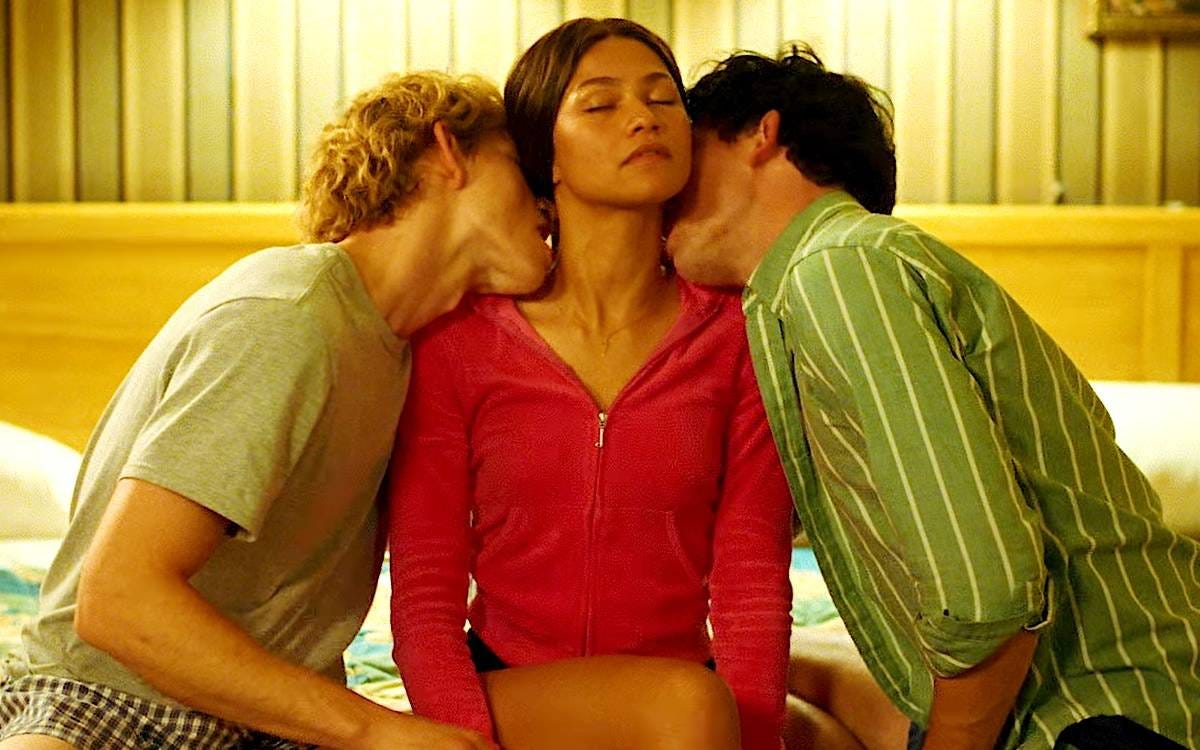
More recently we had the breakout success of “Heated Rivalry”, a forbidden romance set within the world of ice hockey, a TV show that many people were hooked on, irrespective of the hockey. Luca Guadagnino’s sexually charged “Challengers” saw a young Tennis trio caught in a love triangle of epic proportions, culminating in that three-way kiss that people still talk about with “Cruel Intention’s” like awe (if you know you know).
So watching young men and women and their athletic bodies compete against each other is the very foundation of sport. The game itself should not be sexualised, and each and every one of the competitors is due the utmost respect. They should be able to compete free from any sexism, sexualisation or inappropriate comments. But the reality is ‘sex sells’, and if that commodity, that product, just so happens to relate to sport, you can be sure that this will not be the last time sport is sexualised to get attention.
So in reality, in the words of my female friend: “Guys, it’s not that deep”.
Thanks for reading, and remember: It’s never just a game.